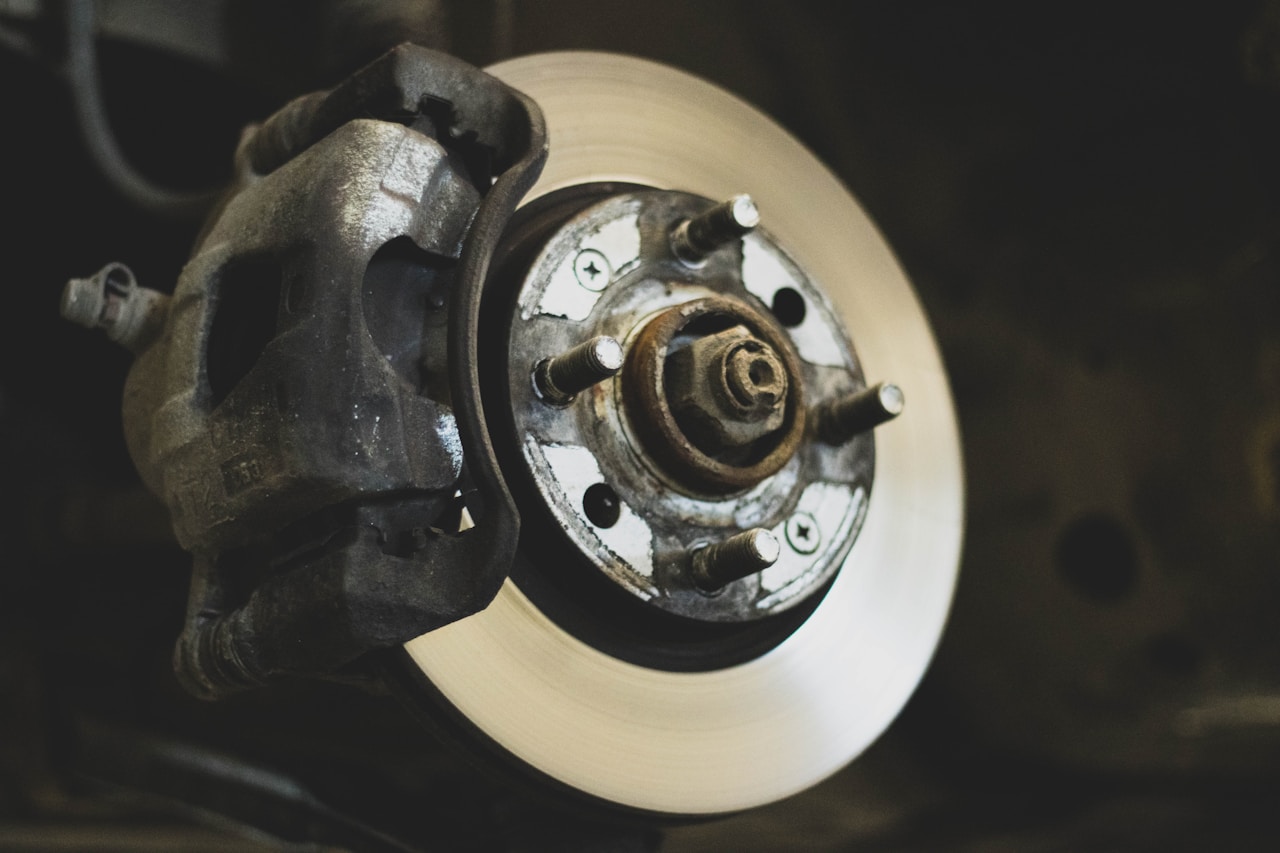
The Components That Cannot Fail
Classic car restoration exists on a spectrum. A cosmetically tired driver with a mismatched paint code and an aftermarket radio is still a functioning, enjoyable car. A car with substandard brake master cylinder seals, ballooning flexible hoses, or a steering rack with play in it is a vehicle waiting to injure or kill someone.
The problem is that the classic car parts market conflates these categories. Pattern parts suppliers sell brake components, steering ends, and fuel fittings with the same cheerful confidence they sell door handles and boot trim. The price difference often amounts to £20 or $20. And so restorers who would never dream of fitting counterfeit branded goods find themselves fitting counterfeit safety systems without a second thought.
"The restoration standard — driver quality, concours, track day — does not change the physics of what happens when a brake hose fails at speed. Quality is not a luxury for safety-critical components. It is the minimum requirement."
This guide covers the four safety-critical systems on a classic car, what specifically to look for, what to avoid, and how to tell the difference between genuine quality and a convincing-looking pattern part.
- Master cylinder & seals
- Wheel cylinders / calipers
- Rigid brake lines
- Flexible brake hoses
- Drums & discs
- Pads & shoes
- Track rod ends (tie rods)
- Steering rack gaiters
- Column universal joints
- Power steering components
- Idler arms & drag links
- Rubber & polyurethane bushes
- Ball joints
- Wheel bearings
- Dampers (shock absorbers)
- Springs
- Fuel lines (rubber & rigid)
- Fittings & connectors
- Fuel filters
- Needle valves & float valves
- Mechanical fuel pumps
Brake System Components
The brake system of a classic car works at high pressures, in extreme heat cycles, and at the exact moment you need it most. Every component in the hydraulic circuit — from the master cylinder to the wheel cylinder or caliper, through miles of rigid pipe and flexible hose — must maintain integrity at those conditions.
Master Cylinder
The master cylinder converts pedal pressure into hydraulic pressure. It does this with precision bore dimensions and rubber seals that must remain fully effective. Pattern master cylinders regularly fail on bore dimensions — a cylinder bored fractionally wider than spec will feel soft underfoot and may not fully pressurize the system. Pattern seals use inferior rubber compounds that degrade more rapidly, particularly if the vehicle has stood for any period.
For classic British vehicles, Lockheed is the original manufacturer. ATE produced OEM components for many European marques. Named reproductions from these manufacturers, or from established specialists using their tooling, are acceptable. A pattern cylinder with no manufacturer name is not.
Wheel Cylinders and Calipers
Drum brake wheel cylinders are under hydraulic load every time you touch the brake pedal. The seals must expand and contract cleanly without sticking or weeping. Pattern wheel cylinders are frequently cast from inferior alloys and use seals that swell in brake fluid contact, causing cylinder seizure — meaning one wheel's brakes apply and hold while others release, with predictable consequences.
Caliper pistons on disc brake cars work at even higher pressures. Pattern caliper pistons are frequently not to the correct diameter — close, but not close enough. The result is excessive seal wear, fluid weeping past the seal, and eventual brake failure.
Brake Lines and Flexible Hoses
The rigid pipework on a classic car should be in copper-nickel alloy, not standard copper (which work-hardens and cracks) and certainly not steel (which rusts from the inside out). Pattern rigid line is often plain steel, sold cheaply and looking identical to correct material until it fails.
Flexible brake hoses are the most critical and most commonly neglected component on a classic car. Original rubber hoses are invariably 30–60 years old. Even hoses that look externally sound can be collapsing internally — the inner lining delaminating and creating a flap valve that lets fluid past but not back. The symptom is a brake that applies normally but does not fully release, causing the wheel to drag and the brake to overheat. Eventually, a portion of the internal lining breaks free and blocks the hose entirely.
Replace every flexible brake hose as a matter of course. Use CarSpanner to find the correct specification for your vehicle — hose diameter, end fitting thread and type, and overall length must all match. Quality reproductions from known suppliers are entirely acceptable for flexible hoses; there is no need to source NOS for these — modern materials can exceed original spec.
Not sure if what you've been quoted for a master cylinder or caliper is quality reproduction or pattern? Ask Geoff before you buy.
Ask Geoff →Steering Components
Steering failures are among the most terrifying failures on a moving vehicle. Unlike brake failures, which usually give some warning, a ball joint separation or a column joint failure removes steering response entirely and immediately.
Track Rod Ends (Tie Rod Ends)
Track rod ends connect the steering rack or drag link to the wheel hub. They consist of a ball joint inside a housing, designed to handle the multi-directional forces of a wheel that both steers and moves through the suspension arc simultaneously.
Pattern track rod ends fail in two ways: The ball joint within is often softer material with less precision in the ball-to-socket fit, meaning it wears faster and allows more play. More dangerously, the taper on the stud that fits into the wheel hub often does not match the correct dimensions — it may hold fine initially but fail to seat correctly in the hub taper, and can pull free without warning.
If your track rod ends have play in them, they must be replaced. Play cannot be adjusted out — the joint is worn. Use quality reproduction ends from suppliers who can confirm the correct specification for your marque, or source NOS from your marque specialist.
Steering Rack Gaiters
Gaiters are rubber boots that protect the rack internals from contamination. Failed gaiters allow dirt and water into the rack, accelerating wear in steering racks that are already effectively irreplaceable on many classic cars. Use correct-specification gaiters in correct materials — cheap gaiters made of the wrong rubber compound can split within a single season. For marque-specific sourcing, ask CarSpanner for gaiter options for your specific vehicle.
Column Universal Joints
Collapsible steering columns on post-1970s classics include universal joints that must articulate smoothly at all angles. Worn or pattern UJ joints develop stiff spots and binding that creates unpredictable feedback and effort variation through the wheel. Use quality reproductions — the engineering tolerance here is tight enough that pattern parts regularly fail to meet it.
Suspension Components
Suspension components carry the entire dynamic load of the vehicle — acceleration, braking, and cornering — and they do so through rubber and metal interfaces designed for specific deflection characteristics. Fitting the wrong compound or a substandard component does not just risk failure. It fundamentally changes how the car handles.
Rubber Bushes
Classic suspension geometry was designed for specific rubber bush characteristics. The rubber compound matters as much as the dimensions. Pattern rubber bushes are frequently too hard, producing harsh handling and transmitting road noise. Polyurethane bushes — often sold as performance upgrades — can be appropriate for track use but make road cars harsh, noisy, and prone to wear at the mating metal surfaces unless lubricated correctly and regularly.
For road use, correct-specification rubber bushes from marque specialists are the right choice. Moss Motors, Rimmer Bros, David Manners Group, and other marque-specific suppliers stock bush sets to correct specification. For NOS versus quality reproduction, quality reproduction bushes are typically the better choice for rubber — NOS rubber degrades over time in storage.
Ball Joints
Ball joints in wishbone suspension carry the full weight of the corner of the car and all braking and acceleration forces at that corner. A ball joint that separates causes the wheel to fold under the car at that corner — the result is immediate loss of control at any speed.
Pattern ball joints often have incorrect taper dimensions on the stud, meaning the interference fit into the hub is compromised from installation. Use named manufacturer reproductions — Moog and Lemförder are widely respected quality reproduction manufacturers used across many marques.
Wheel Bearings
Wheel bearing failure is low-drama until it isn't. Worn bearings create noise and give warning. A bearing that fails completely collapses the wheel outward. Pattern wheel bearings save pennies versus SKF, NSK, or FAG — the established bearing manufacturers whose products are available for virtually every classic car application. Use named bearings. The price difference is trivial.
Sourcing ball joints, bushes, or dampers for a classic and want to know which supplier to trust? Geoff knows the difference.
Ask Geoff →Fuel System Components
The fuel system on a classic car runs combustible liquid past a hot engine, through decades-old materials, to a carburettor that sits directly above exhaust manifolds on many designs. Fuel leaks in this environment are not a problem to monitor — they are a fire risk to eliminate immediately.
Rubber Fuel Lines
Original rubber fuel hose has two problems. Age: rubber degrades internally before it fails visually. The outer surface looks serviceable while the bore has hardened, cracked, and begun shedding material into the fuel system. Compatibility: modern fuels contain ethanol in proportions original hose was not designed to handle. Ethanol attacks standard rubber, causing swelling, softening, and accelerated deterioration.
Replace all rubber fuel lines with modern ethanol-compatible fuel hose. Specify the correct bore diameter, pressure rating, and exterior diameter to fit clamps and fittings correctly. This is not optional on any vehicle that uses modern pump fuel.
Fittings and Needle Valves
Carburettor needle valves (the valve that controls fuel level in the float chamber) are a common pattern parts failure point. An incorrectly sized or poorly machined needle valve causes incorrect float height, leading to rich running at best and fuel overflow into the engine at worst. Use Viton-tipped needles from established carburettor specialists — Burlen (who owns the SU and Amal brands), Weber, and Zenith — or source NOS needles through your marque community.
Fuel Pumps
Mechanical fuel pumps are subject to diaphragm failure. Pattern pump diaphragms are frequently not fuel-compatible, swelling in contact with modern fuel and failing within months. Use quality reproductions with confirmed fuel-compatible diaphragm material, or have your original pump reconditioned by a specialist who uses correct materials.
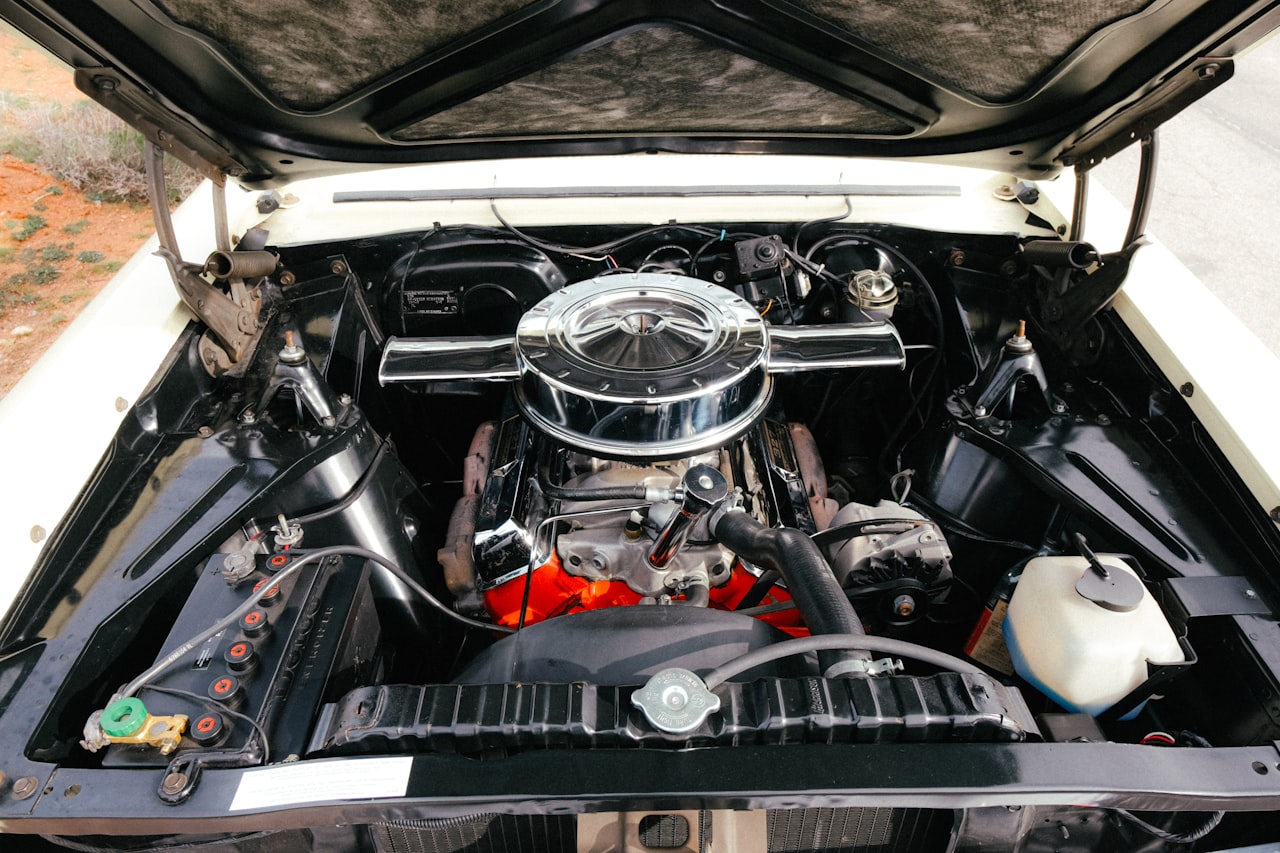
Identifying Quality vs Pattern Parts
The £20 difference between a quality brake master cylinder and a pattern part looks identical in a listing photograph. Here is how to tell them apart before you buy.
- Named manufacturer. Mintex, ATE, Brembo, Ferodo, Lockheed, Moog, SKF, NSK, FAG, Lemförder — these brands exist and have reputations to protect. A brake component with no manufacturer name is a pattern part by definition.
- Specification documentation. Quality parts come with specification sheets or are cross-referenced to OEM part numbers. If a supplier cannot tell you the OEM number the part corresponds to, treat it with suspicion.
- Supplier reputation in the marque community. For safety components, stick to suppliers CarSpanner has listed by marque — we only include sources with established track records for quality. CarSpanner can identify vetted suppliers with proven safety records.
- Return policy for incorrect fit. Quality suppliers stand behind dimensional accuracy. A supplier with a no-questions return policy on "not compatible with my vehicle" suggests confidence that their parts are correctly specified.
- Price context. A brake master cylinder for a 1960s British classic from a marque specialist costs between £80–£200 depending on type. A master cylinder from a generic listing for £25–£40 is not a bargain. It is a pattern part. The original cost of a cylinder rebuild is in that price range — the cylinder itself costs more.
Got a part in hand and can't tell if it's the real thing? Upload a photo and Geoff will take a look.
Ask Geoff →Not sure whether a specific part counts as safety-critical? Describe it to CarSpanner. We'll tell you the correct grade to source and which specialist to buy it from.
Ask CarSpanner →Quality Reproduction or NOS Only. No Exceptions.
When you ask CarSpanner for help sourcing safety-critical components — brakes, steering, suspension, fuel system — we will only recommend quality reproduction parts from named manufacturers, NOS parts from trusted sources, or professionally reconditioned original parts.
We will not recommend a pattern part for safety-critical components regardless of price, regardless of claimed specification, and regardless of the restoration standard. A concours restoration requires quality parts. A driver-quality rebuild requires quality parts. A barn find getting sorted for occasional use requires quality parts. The category of restoration does not affect what happens when a brake line fails.
This is not a commercial decision. We are not affiliated with any supplier and have no financial interest in what you buy. It is the minimum responsible position for a parts identification service working with vehicles that carry people.
For complete guidance on understanding part types, see our OEM vs NOS vs Reproduction guide. For marque-specific sourcing — including the unique safety challenges of the Triumph TR6's inboard rear disc brakes and PI fuel system — see our Triumph TR6 marque page and TR6 Parts Guide. For specific vehicle safety guidance, see the Ford Mustang, Chevrolet Corvette, and Jaguar E-Type marque pages. To find the right supplier for your marque, start a conversation with CarSpanner.
Working With a Mechanic
Sourcing quality parts is necessary but not sufficient. Safety-critical components must also be fitted correctly.
Brake systems require bleeding to specification — air in the system compromises feel and reduces braking effectiveness. Brake hose end fittings must be torqued correctly; overtightened fittings crack the line; undertightened fittings weep. Track rod ends must be fitted to the correct torque and with the split pin correctly installed. Wheel bearings must be set to the correct preload — too loose and they fail quickly, too tight and they overheat and fail in a different way.
We recommend professional fitting or a post-fitting check by a marque specialist for all safety-critical work. This is not a suggestion that classic car owners are incapable of mechanical work — many restorers are highly skilled. It is a recognition that fresh eyes on safety systems find mistakes that familiarity misses.
A marque specialist — the kind of workshop that works on your make of car regularly, is active in the owners community, and has seen the same failure modes many times — will check safety systems differently than a general workshop. They know the specific failure modes of your car, the torque settings, the sealing surfaces that need attention, and the period-specific foibles that a general mechanic encounters only once.
For safety work, use a marque specialist rather than a general garage. CarSpanner can identify which specialists cover your marque and what mechanical work they offer.